Virtual Reality Development

VR Vision has an iterative and collaborative process for virtual reality development and production of immersive learning courses. This process is not merely about employing the latest technology but fostering a holistic environment where creativity and efficiency thrive.

Our Virtual Reality Development Process

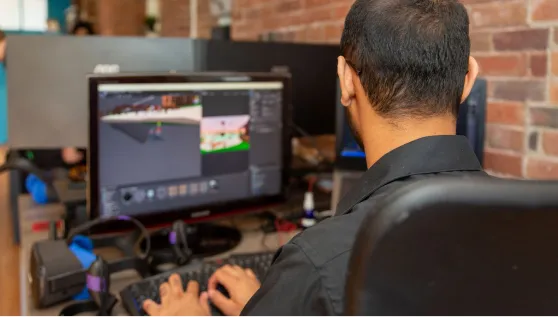
VR Application Development is a crucial step for the adoption of virtual reality for training. Our Development team follows an Agile approach to keep the project flowing and the important tasks in mind. We provide guidance on how to implement a successful VR training program, and the subsequent steps, in our Virtual Reality Training section.

vr development process
Planning & Development
vr development process

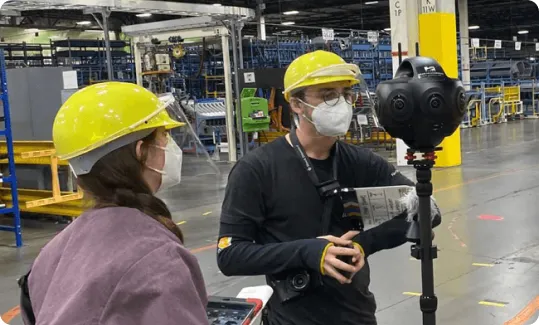
On-site visit has completed, the document transfer is finished, and the VR application development document is ready.

vr development process
Alpha Release
vr development process

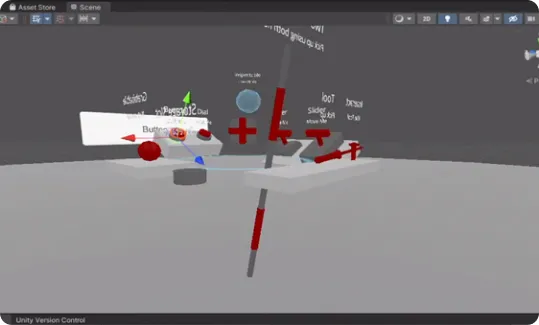
3D blockouts or 360 videos have been set up, and the main interactions have been scoped & tested.

vr development process
Beta Release
vr development process

All training modes have been completed, with the interactions finalized and, all QA and revisions have been applied.

vr development process
Integrations & Analytics
vr development process

Client LMS integration has been completed, and Vision Portal implementation is now in place, Beta QA and revisions have been applied.

vr development process
Final Release
vr development process

The app has been uploaded to the client's Mobile Device Management (MDM) system and the handoff is finished.

dev process
Maintenance & Support
dev process

The Service Level Agreement (SLA) guarantees unlimited bug fixes, an app uptime of 99.97%, and software compatibility updates.

Technology Foundations for Successful VR Development

What sets VR Vision apart for virtual reality development is our extremely robust SDK that powers both CGI Simulations and 360 Interactive Video Simulations with the best user-centric Interaction Design in the world. These foundations set the stage for an immersive learning process that will revolutionize the way your employees train for enterprise tasks.

360 video production
360 Video Production

A learning mode that’s guided across the immersive learning course via visual call outs, special effects and voice overs. Great for new users as their interactions are limited.

VR application development
Software Development Kit

VR courses are developed three times faster than industry standard times using the Vision core SDK that has been optimized for VR training scenarios.

interactive vr training
Digital Twins

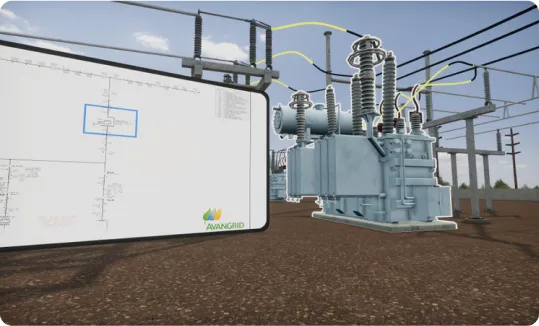
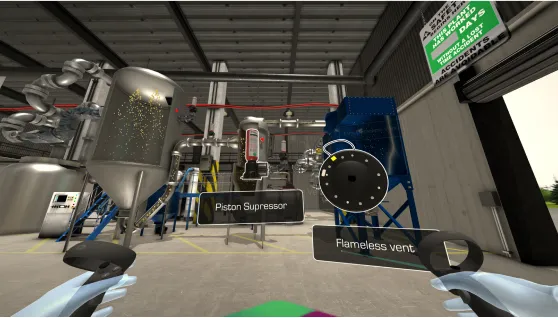
Digital representation of the real world environment, tools, people and machinery which appear and feel identical, and they can operate on standalone VR headsets.

vr development process
Interaction design

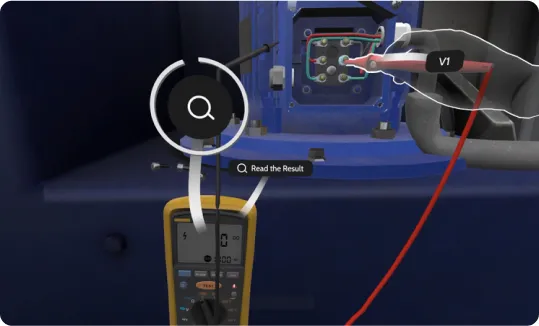
Crafting virtual systems that mirror real-life interactions with virtual tools, machines, and environments in an immersive and scalable manner.

developing vr training solutions
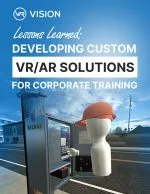
Whitepaper: Lessons Learned Developing Custom VR Solutions for Enterprise Training

An in-depth look into the realm and usage of immersive learning technologies, simulating real-world environments and offering a safe and immersive platform for learners to practice necessary skills.

Powered by the best

We develop our immersive training scenarios using the latest and greatest for VR application development.

We use a software stack consisting of Unity for game development, Photon for networking, and rely on AWS for our save state system, analytics, and integrations.

Maintenance & Support

Post-application delivery VR Vision provides full-service maintenance and support to help your team take full advantage of your immersive content and training courses. For a list of common questions and answers please see our updated FAQ section.

vr application development
virtual reality development

Why Choose VR Vision for Your Virtual Reality Development?

Expertise and Experience: With over a decade of experience in the VR industry, our team of skilled developers and creative minds has the expertise to bring your vision to life. From conceptualization to deployment, we ensure every aspect of your VR application is polished, functional, and ready to wow your audience.

Customized Solutions: We understand that each business has its own set of challenges and objectives. That’s why we offer customized VR application development services tailored to your specific goals. Whether you’re looking to enhance training programs, create educational content, or develop interactive marketing campaigns, we have the solution for you.

State-of-the-Art Technology: At VR Vision, we leverage the latest in VR technology to develop applications that are not only visually stunning but also highly interactive. Our applications are compatible with all major headsets, including Meta Quest, HTC Vive, and Apple Vision Pro, ensuring your audience enjoys a seamless and engaging experience.

Virtual Reality Development — Frequently Asked Questions

Everything you need to know about our virtual reality development process, timelines, costs, and capabilities.

What is virtual reality development?

Virtual reality development is the process of designing, engineering, and deploying immersive VR applications for enterprise use. This includes building 3D environments, programming user interactions, integrating analytics, and deploying applications to standalone VR headsets. At VR Vision, our virtual reality development process covers everything from initial scoping and Application Design Documents (ADD) through to Alpha and Beta builds, QA, LMS integration, and long-term maintenance and support.

How long does VR application development take?

Development timelines depend on project scope and complexity. A typical enterprise VR application — including environment development, interactions, multi-user functionality, and analytics — takes between 12 and 24 weeks from kickoff to final deployment. Simpler projects using existing assets or 360-video-based formats can be delivered faster. Projects requiring custom digital twin environments, nuclear-grade procedural simulations, or large-scale multi-station builds may require longer timelines. VR Vision provides a detailed GANTT chart and milestone schedule at project start.

How much does custom VR development cost?

Custom VR application development at VR Vision typically starts at $80,000–$160,000 for a full application build, depending on environment complexity, number of training scenarios, multi-user requirements, and integrations. Digital twin environments, LMS integrations, and analytics dashboards are scoped separately. VR Vision provides transparent, milestone-based pricing — meaning payment is tied to your acceptance of deliverables at each phase, not arbitrary billing schedules. Annual maintenance and support is available from approximately $20,000–$40,000 per year.

What VR headsets and platforms do your applications support?

VR Vision develops all applications on the OpenXR framework using Unity, making our VR applications compatible across all major standalone and PC-tethered headsets. We recommend and primarily build for Meta Quest 3 and Pico 4 Ultra Enterprise for standalone deployment. Our applications also support HTC Vive, Lenovo VRX, and PC-based VR environments. We are an authorized Meta Work Partner, official Pico Business Partner, and Lenovo Strategic ISV — giving enterprise clients access to preferred hardware pricing and MDM support via ArborXR and Meta HMS.

What industries do you develop VR applications for?

VR Vision has built and deployed VR applications across energy and utilities, manufacturing, automotive, healthcare, construction, public transit, and nuclear sectors. Our clients include Avangrid, Enel, Hydro One, Toyota, Siemens, and Coca-Cola. We specialize in safety-critical, regulated environments where training accuracy directly impacts operational outcomes — and where "close enough" is never acceptable.

Can your VR applications integrate with our LMS or HR systems?

Yes. VR Vision's applications support LMS integration via xAPI (Tin Can), SCORM, and direct SSO connections including Azure Active Directory, Workday, and Cornerstone. Our Vision Portal cloud platform provides real-time training analytics, session recording, survey tools, and user management that can sync with your existing learning infrastructure. We have successfully integrated with enterprise LMS environments across global organizations and can support both cloud-hosted and air-gapped offline deployments.

What makes VR Vision's development process different from other VR developers?

Three things separate VR Vision from other virtual reality development companies. First, our proprietary Vision SDK allows us to build VR applications three times faster than industry-standard development timelines — reducing your cost and time to deployment. Second, we are one of the only companies in the world offering persistent, open-ended multiplayer VR simulations on standalone headsets — enabling real instructor-led training at scale. Third, our 100% client success rate is backed by milestone-based payment terms: you don't pay until you approve the results. No other VR development company offers that level of accountability.

Do you offer post-launch maintenance and support for VR applications?

Yes. Every VR Vision deployment is backed by a Service Level Agreement (SLA) that includes unlimited bug fixes, 99.97% application uptime, firmware and OS compatibility updates, 24/7 email support monitoring, and remote assistance via VPN or Remote Desktop. Bi-monthly system health checks are included as standard. Onsite support is available for planned or emergency needs. Our maintenance programs are designed to ensure your VR application remains fully operational as headset firmware and cloud infrastructure evolve over time.


Have a question not answered here? Talk to our team →